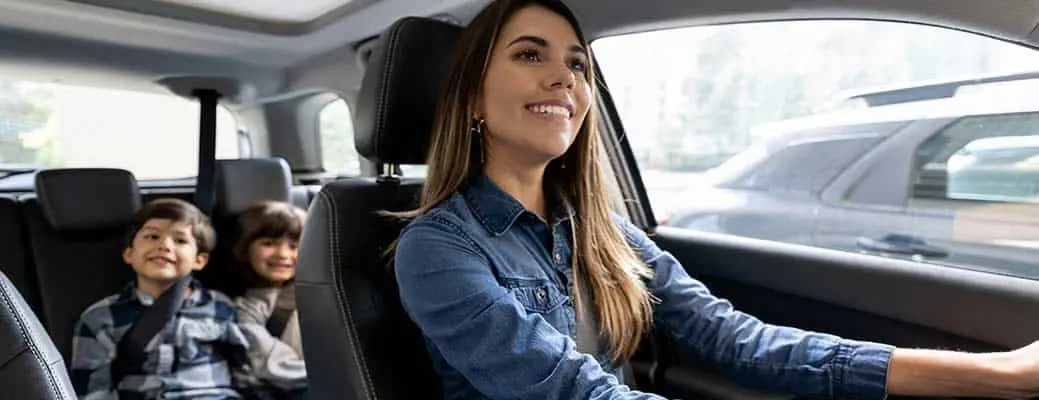
Car pools are a smart way to commute, especially to school. At a time when gas prices are high, they’ll help you save money. And since you’re driving less, they’ll save you time and stress. Plus, they’re good for the environment, removing cars from the road. 

But of course, driving kids — and coordinating with parents — can be a challenge. To help you, here are five steps to starting a successful car pool, along with tips on how to stay safe while carpooling.

As you’re planning the best way to protect your car and your family, reach out to Farm Bureau to talk about purchasing coverage for your car as well as other policies that would be good for your family.

Step 1: Find Your Car Pool Group

Any safe and successful car pool starts with gathering the right families to participate. That means you’ll want to think about what criteria will make for the best car pool. Consider these factors:

  • Age: Remember, younger children may require car or booster seats and help getting into the vehicle. With older kids, the loading in and out is generally more hands-off. And don’t forget that older and younger kids might be going to different schools, too.
  • Distance: Stick with families who live close to you so you’re not adding significant time to your commute.
  • Space: If you have four extra seats in your car, do you need to fill them all? Be realistic — sometimes a bigger car pool is more trouble than it’s worth. Strive for efficiency rather than cramming everyone into the car.
  • Schedule: Remember, the goal is convenience. If your schedules clash, keep looking.

Step 2: Ask the Hard Questions

You’re entrusting your child to another person, so do your homework. You might be lucky in that your car pool buddy is a trusted friend who you know well. But maybe you don’t know the other driver. If that’s the case, then ask these questions to ensure your family will be safe and sound.

Step 3: Have Contact Information Ready

Collect the following items from all parents and guardians (not just your fellow drivers) and make sure it’s been distributed to everyone in the car pool.

  • Address
  • Cell and home phone numbers
  • Email address
  • Any important medical information (allergies, medication, conditions and so on)
  • Additional emergency contact

Save this information on your phone and stash a paper copy in your glove compartment. You never know when you’ll forget your phone at home or run out of juice. You might want to consider putting everyone in a group chat as well so that you can quickly communicate if there’s an issue.

Step 4: Set Car Pool Rules for the Passengers

Your car, your rules. Keep the peace and safe driving conditions by setting boundaries with ground rules about these key car safety items.

  • Seat belts: They should always be on properly. Always.
  • Exiting the vehicle: Kids should get out of your car on the curb side of the street, protecting them from any traffic that might be going past.
  • Food: Determine if kids are allowed to eat and drink in the car. Note any allergies. Will you provide snacks?
  • Music: Decide who gets to choose the music and the volume.
  • Noise: Kids are kids, but too much noise can become a safety issue.
  • Toys and tech: Can the group handle it if one child has an iPad or blankie and another doesn’t? Consider whether you want to make a rule about this

Step 5: Set Rules for Adults, Too

Don’t forget that sometimes, adults need some boundaries, too. Sure, you can handle a little noise, but what about a habitually late driver, or someone who disregards certain safety rules that your family observes? Establish your expectations as a group from the start — and what you plan to do if someone violates them.

  • Share a set route. Let other parents know your usual itinerary, including the order you plan to pick up or drop off.
  • Be on time. This goes for drivers and passengers. A few minutes every now and then is probably fine, but don’t be the one who holds everyone up.
  • Don’t drive distracted. No phone. No food. No fiddling with the radio or reaching in the backseat. Keep your eyes on the road at all times.
  • Avoid unexpected passengers or drivers. Don’t volunteer your car pool group to pick up another child. And, unless you have everyone’s permission, don’t substitute a friend or family member to cover your shift. There shouldn’t be surprises.

Keep Your Car Pool Protected

The right auto coverage equals the right protection for you and all your passengers. Reach out to Farm Bureau today to ensure you’re covered. 

Want to learn more?

Contact a local FBFS agent or advisor for answers personalized to you.