 Log In
Wildfire Claims: When the Smoke Clears
Jun 18, 2026
2 min read
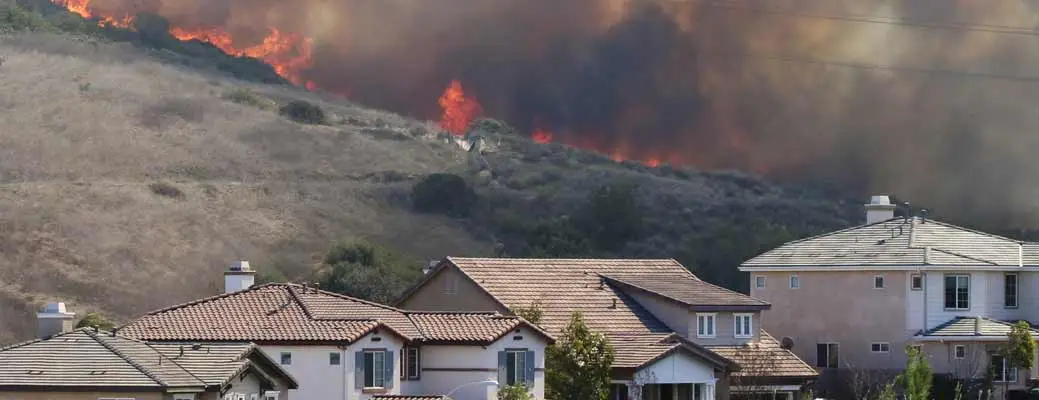
Wildfires are increasingly a fact of life in many parts of the United States. More than 46 million homes across 70,000 communities are at risk of wildfires. In 2025 alone, wildfires burned over 5 million acres. These realities highlight the growing and widespread impact of wildfire nationwide.
As a result, many people are thinking more seriously about what goes into a wildfire insurance claim – or have gone through the wildfire claim process themselves. Sadly, many people are also worried about wildfire contractor scams. Being prepared for wildfires requires thinking ahead, having a policy and creating a home inventory for insurance claims, even if you hope to never use it.
Here are some things you should know if you should ever face an insurance claim due to wildfire and how to be prepared. To make sure your home is protected in case of a natural disaster, reach out to Farm Bureau to schedule a SuperCheck® today.
Timing is everything when filing a wildfire claim, so you’ll want to file one as soon as possible. Your Farm Bureau agent will help you start the claims process by reporting your claim for you. They will also work with you on things you can address right away that could protect your property from additional damage or loss.
Next, you will be contacted by an adjuster, who will help arrange for an inspection of your property. Sometimes, claims can be settled over the phone. But typically, wildfire losses will require an in-person inspection of your damaged property.
This is where it becomes very helpful to have previously made a home inventory. While it’s not necessary for a claim, it can make the process much easier. The more detail you can provide about the items in your home, the better! It can also be helpful to take pictures of your property and contents prior to a loss, so you have a record. Don’t wait until a disaster strikes to prepare.
Save all paperwork related to your claim. This can be difficult, especially if you’ve been displaced. But if you’re unable to live in your home and have to move into temporary housing, be sure to document all your out-of-pocket expenses. Those costs may be covered, so it’s important that you have this information for your adjuster when the time comes.
Unfortunately, those who have suffered property loss are a prime target for scammers. Some of these unscrupulous people may even tell you they’ve been sent by your insurance company. So, be careful!
Your insurance provider will always alert you before a contractor or other workers are sent. If a contractor asks for anything beyond a small deposit up front, or if they cannot show you official documentation like a contractor’s license, local operating permit or certificates of insurance, be on your guard!
If wildfire strikes your area, we can help make sure you’re prepared and protect the things that matter most to you. Reach out to Farm Bureau today to make sure you have the coverage you need when you need it.