 Log In
Yard Safety Checklist: 7 Backyard Hazards for Kids and Pets
Jul 24, 2026
3 min read
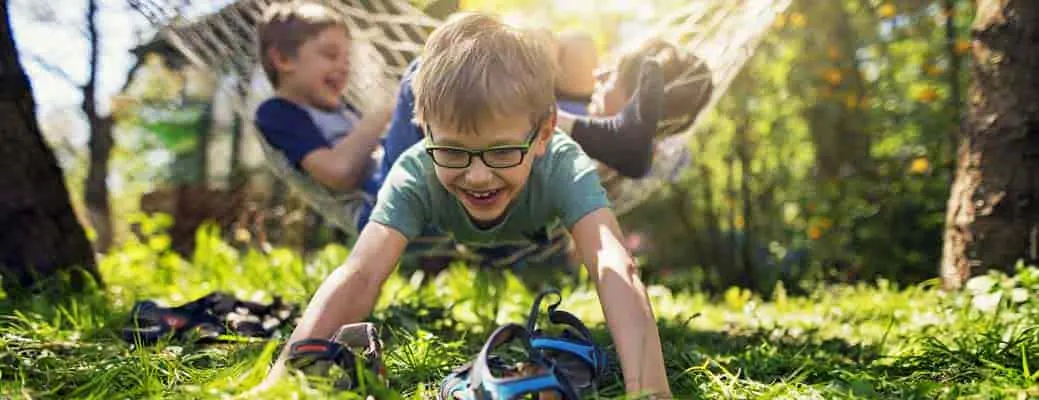
The sun is shining, and your backyard is the place to be for the season! But before you and your family spend your summer outdoors, catch up on backyard safety. Follow this checklist to minimize backyard hazards and have the most safe and fun summer you can.
Homeowners insurance can make sure you and your loved ones are covered throughout the year in every circumstance. Reach out to Farm Bureau to discuss the right home policy for you.
Everybody loves a garden, right? But if you’re planning for a vegetable garden, make backyard pet safety a priority and keep Fido out. Onions, tomatoes, chives and garlic are toxic to dogs, and at the very least can cause them stomach distress.
The same goes for your flower garden, since many flowers — including autumn crocus, foxglove and azaleas — are toxic and can lead to vomiting, diarrhea, seizures and even death. It’s a good idea to grow plants in an area that animals can’t access or in pots out of reach. Consider using fences and gates to keep the plants away from pets.
Remember, fertilizers can also contain chemicals that could sicken your dog, and you’ll want to avoid mulch that contains theobromine. Keep the backyard fun for everyone!
Poison is supposed to kill weeds. But of course, it can affect more than just its target when you’re trying to get those pesky weeds out of the yard! So, consider using them only in areas people and animals can’t get to. You don’t want to risk animals imbibing poison or people getting it on their skin.
To further maximize your yard safety, be sure all chemicals (including pool care supplies) are in secure areas that little hands or paws can’t reach.
Fences keep things in and out, and they’re there for your safety. In fact, the barriers around your property have a big impact on yard safety. Make sure your fence has no spaces where pets and children might squeeze through and wander out of the yard or into a pool area.
For dogs in particular, know that many breeds can get past a six-foot barrier, and clever dogs (and children) who can’t hop over may still find ways to get out. Keep trash bins and other raised surfaces your dog may climb away from the fence. Even small dogs can dig their way out if your fence is on dirt, gravel or grass.
If your dog likes to dig, line the bottom of the fence with chicken wire or mesh — the deeper the better, but at least six inches down.
Depending on what part of the country you’re in, you may get an occasional uninvited visitor. Coyotes, possums, raccoons, skunks and deer all bring their own dangers and possibly diseases to pets and children playing in the yard.
So, don’t invite them in. To deter these guests, keep smells at bay by tightly sealing garbage cans. Leave dog food and bowls inside so wild animals don’t come looking for a meal. And keep meat, fruit and other aromatic food waste out of the compost pile.
Drowning and near-drownings are all too common and all too tragic among children. This makes water safety an important addition to any outdoor safety checklist.
Children can drown in an inch of water. Survey your yard for any sources of water your child could fall into or be tempted to play in, including cleaning buckets and kiddie pools. Cover hot tubs when not in use, and keep any containers of liquid out of reach, ideally locked away.
To curious kids, shovels and garden clippers can look like fun toys to play with. But these tools are often very sharp, sometimes rusty and could carry the bacteria that causes tetanus. Keep them out of reach. If your child gets a cut from rusted metal, ask your doctor if a booster shot is needed.
Remember that a grill is a hot fire. Each year, many kids are taken to the emergency room for grill-related injuries. Charcoal and gas grills can stay hot for hours after cooking, and it only takes a second to get a serious burn.
Keep your yard safe by regularly cleaning your grill, emptying the grease trap and checking your gas tank for leaks. There are a number of additional safety precautions you can take to keep your barbecue safe, including making sure it isn’t near anything easily flammable, like a tree branch, awning or patio railing. You don’t want to start an even bigger fire.
Want to protect your yard and home? Reach out to Farm Bureau to ask about home and property insurance today.